Sangiovese Food Pairing: What to Eat With Chianti, Brunello and Vino Nobile
Wine of Tuscany
Tuscany is the spiritual home of Sangiovese. The grape has naturally high acidity, moderate to high tannin and a light colour. Young Sangiovese, such as a basic Chianti, has fresh, fruity flavours of tart strawberry with a hint of spice. More mature wines, such as Brunello di Montalcino, Vino Nobile di Montepulciano or Chianti Classico Riserva, have a richer profile, with sour red cherry, earth and tea leaf.
Those same qualities make Sangiovese one of the easiest red wines to match with food.
Why Sangiovese works at the table
Acidity is the key. Sangiovese’s bright acidity cuts through olive oil, cheese and fatty meat, and it stands up to tomato, which flattens many softer reds. Its tannins grip protein, so a steak or a slow-cooked ragù makes the wine taste smoother. Because the fruit is savoury, it sits comfortably with herbs, garlic and the simple, ingredient-led cooking Tuscany is known for.
Lighter Sangiovese
Rosso di Montalcino, Rosso di Montepulciano, Chianti
The younger, fresher wines are made for everyday food:
- Pasta dishes, especially with red sauce
- Spaghetti and meatballs, or even meatloaf
- Baked pasta such as lasagna
- Pizza
In Tuscany, try them with crostini topped with chicken liver pâté, a plate of salumi such as finocchiona, the local fennel salami, or pici, the thick hand-rolled pasta of southern Tuscany, with a meat ragù.
Fuller-bodied Sangiovese
Brunello di Montalcino, Chianti Classico Riserva and Gran Selezione, Vino Nobile di Montepulciano, Super Tuscans and wines from the Maremma
Wines with more age, structure and concentration need richer dishes:
- Roast chicken
- Roast lamb with rosemary and garlic
- Veal
- Sausages
- Game such as wild boar or venison
- Steaks
- Burgers
The Tuscan classics are bistecca alla fiorentina, a thick T-bone grilled over wood and served rare; pappardelle al cinghiale, wide ribbons of pasta with a wild boar ragù; and peposo, a peppery beef stew slow-cooked in red wine. An older Brunello or Vino Nobile is also very good with aged pecorino from Pienza.
What to avoid
- Chilli heat. Very spicy dishes make the tannin and alcohol feel harsher.
- Delicate fish. A light white fish will be overwhelmed. Tuna, or fish in a tomato sauce, is a better match.
- Sweet dishes. Sugar makes a dry red taste thin and sour, so save dessert for a glass of Vin Santo.
Serving tips
Serve young Chianti and Rosso slightly cool, at around 14–16°C. Riserva, Brunello and Vino Nobile show best at 16–18°C. A young Brunello benefits from an hour or more in a decanter, and all of these wines open up in a large glass.
Where to try it
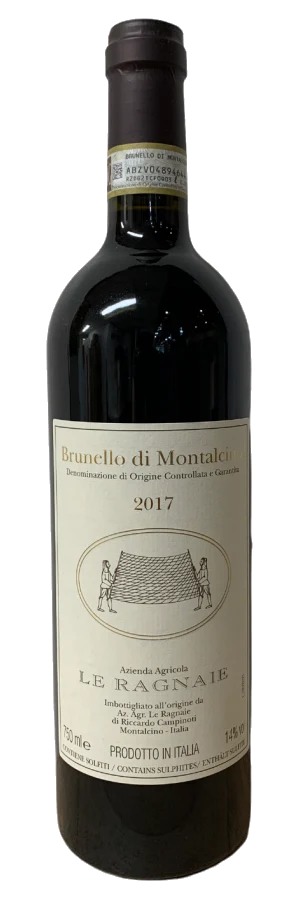
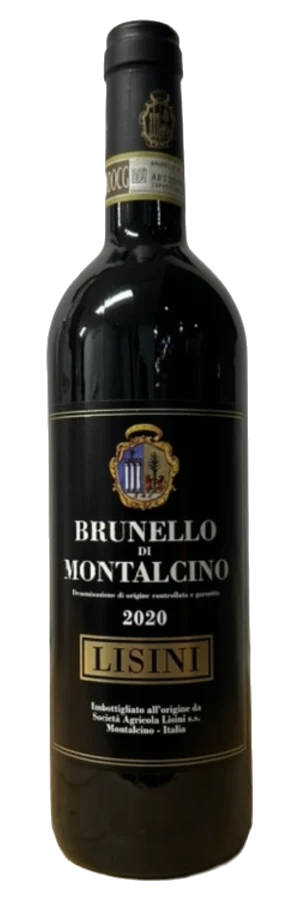
Many of the producers we have interviewed make both a lighter and a fuller style, so you can taste the difference side by side: compare a Rosso and a Brunello at Lisini or Le Ragnaie, or a Chianti Classico and a Riserva at Fèlsina. For restaurants close to the wineries, see the Where to eat section of our Visiting page, and browse producers in Montalcino, Chianti Classico and Montepulciano.
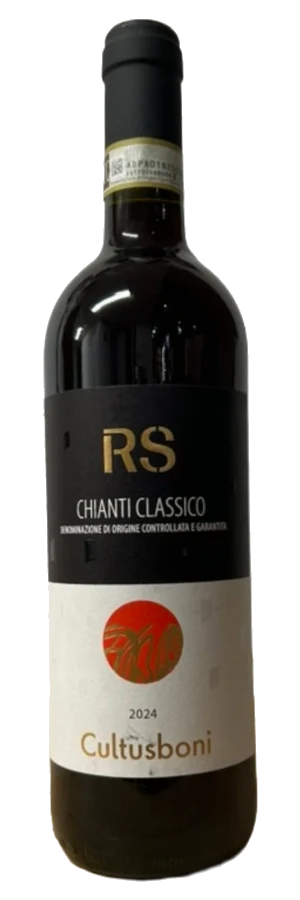
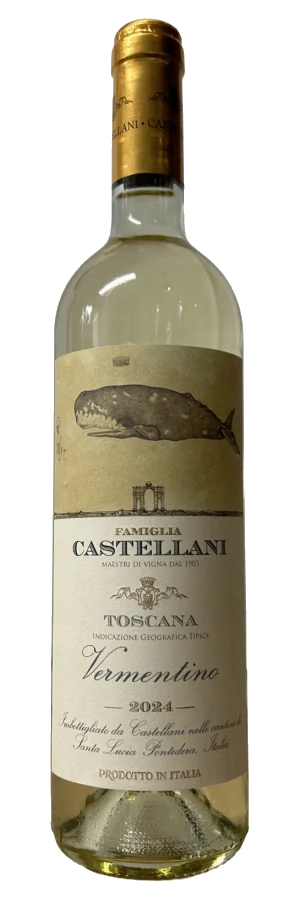
Tuscan Sangiovese to try at home
Explore by sub-zone
Winemaker spotlight